

Choosing the best kitten food can feel surprisingly complicated. One bag promises premium ingredients, another highlights a special recipe, and a shelf of tiny cans gives you even more decisions to make.
When searching for the best kitten food, start with a simpler question: does this food provide complete nutrition for a growing kitten?
This guide walks through seven practical checks, from reading the label to comparing feeding costs. It focuses on weaned kittens eating solid food. Newborn or orphaned kittens need a different feeding plan and veterinary guidance.

Table of Contents
What Is the Best Kitten Food?
For a weaned kitten, finding the best kitten food starts with a complete and balanced food suitable for growth. Then consider your kitten’s health, willingness to eat it, and the feeding routine you can maintain.
There is no single product recommendation in this guide. A useful choice should have a clear nutritional adequacy statement, understandable feeding directions, and a manufacturer that can answer questions about its food.
AAFCO explains that growing animals need a different nutrient balance from adults. That is why the life-stage statement matters more than an appealing photograph on the package.
1. Check the Life-Stage Statement First
Turn the package over before comparing flavors.
For US products, look for the nutritional adequacy statement. It should identify the food as complete and balanced for growth, or for all life stages including growth. A food intended only for adult maintenance is not the same choice.
Also check whether the product is intended for intermittent or supplemental feeding. A topper can look like a full meal without being suitable as the kitten’s main diet.
Two useful questions to ask while shopping are:
- Is this a complete food or a complementary product?
- Does its nutritional statement cover kitten growth?
Keep those questions on your phone if the shelves feel overwhelming. They help narrow the options before marketing language takes over.
2. Compare Wet and Dry Kitten Food Practically
Wet and dry foods have different handling requirements. Cornell notes that canned food contains substantially more moisture than dry food.
Either format still needs an appropriate life-stage statement to be considered the best kitten food. “Wet” alone does not mean complete, and “dry” alone does not tell you whether a recipe is suitable for kittens.
Use this comparison as a shopping aid:
| Format | What to check | Planning question |
|---|---|---|
| Wet food | Growth suitability, calories per container, storage directions | Can I store and serve opened portions as directed? |
| Dry food | Growth suitability, calories per measured amount, storage directions | Can I measure portions consistently? |
| Combination | Suitability and calories of both foods | Have I counted both foods within the daily feeding plan? |
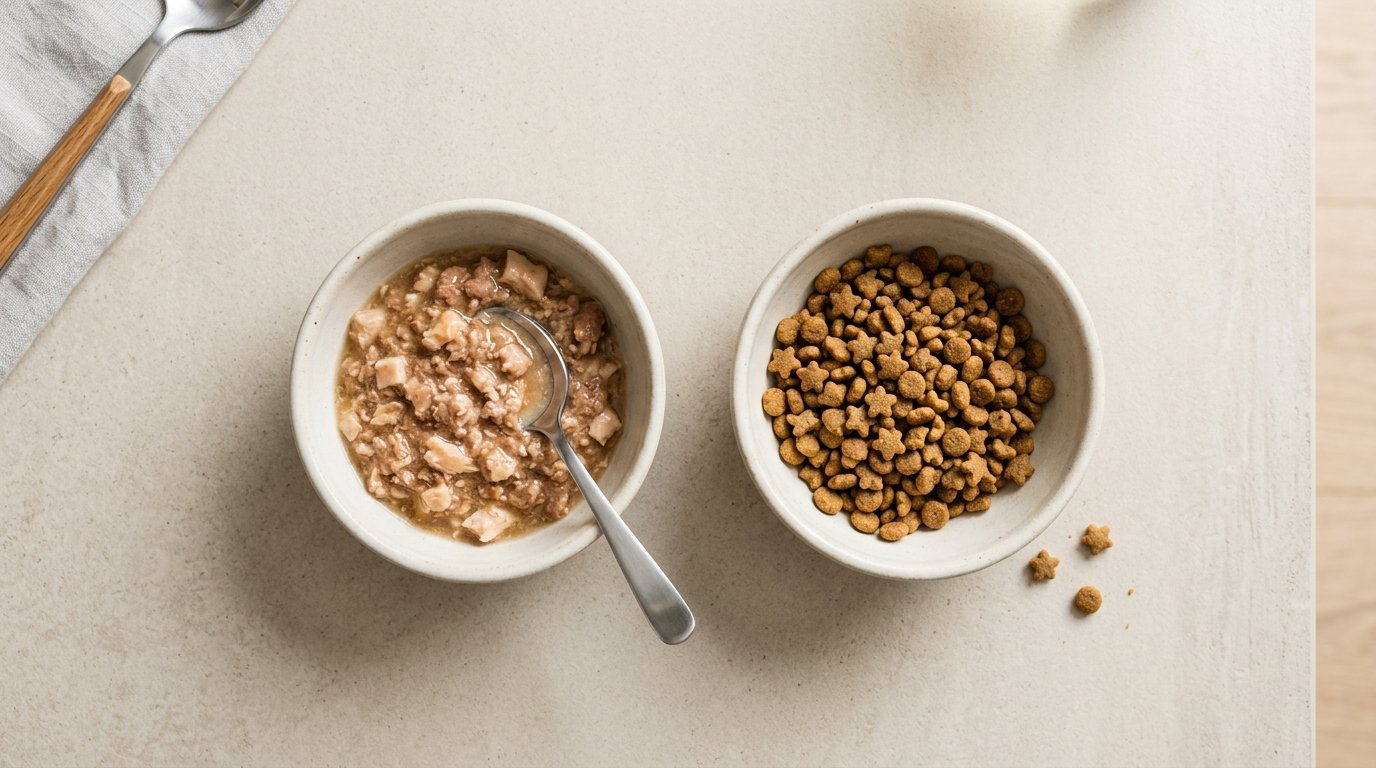
If you combine foods, avoid treating each package’s full daily ration as an additional allowance. Ask your veterinary team how to divide the total.
3. Look Beyond the Front of the Package
A useful manufacturer should be able to explain how its food is formulated and checked.
WSAVA’s nutrition resources suggest looking at matters such as nutrition expertise, quality control, and the availability of detailed product information.
Questions worth asking include:
- Who formulates the recipes, and what are their qualifications?
- What quality-control checks are used?
- Can the company provide calorie and nutritional information?
- How can I contact someone with a product question?
These questions make a more useful comparison checklist than deciding from packaging alone.
Do not assume that a brand is endorsed by WSAVA simply because it discusses these guidelines. Evaluate the answers the company provides.
4. Compare Cost Using the Feeding Amount
The cheapest bag is not automatically the cheapest feeding plan for the best kitten food.
When comparing suitable options, note the package price, amount of food inside, and estimated daily use. Different foods can require different portions, so comparing package prices alone gives an incomplete picture.
Use this simple budgeting calculation:
Daily cost = package price ÷ number of days the package lasts
For example, if a hypothetical package costs $24 and lasts 12 days, the estimated cost is $2 per day. This is a budgeting example, not a current product price or feeding recommendation.
For mixed feeding, add the daily wet-food and dry-food costs together.
A sensible shortlist might include two or three suitable foods that are regularly available near you. Record the details before buying a large supply.
5. Plan Portions Around Your Kitten
The best kitten food still needs a feeding plan suited to the animal eating it.
Use the package directions as a starting point and ask your veterinarian to help account for age, weight, growth, and body condition. There is no single scoop size that suits every kitten and every recipe.
Cats Protection explains that kittens have small stomachs and need food little and often. Arrange meals around your kitten’s age and your veterinary team’s advice.
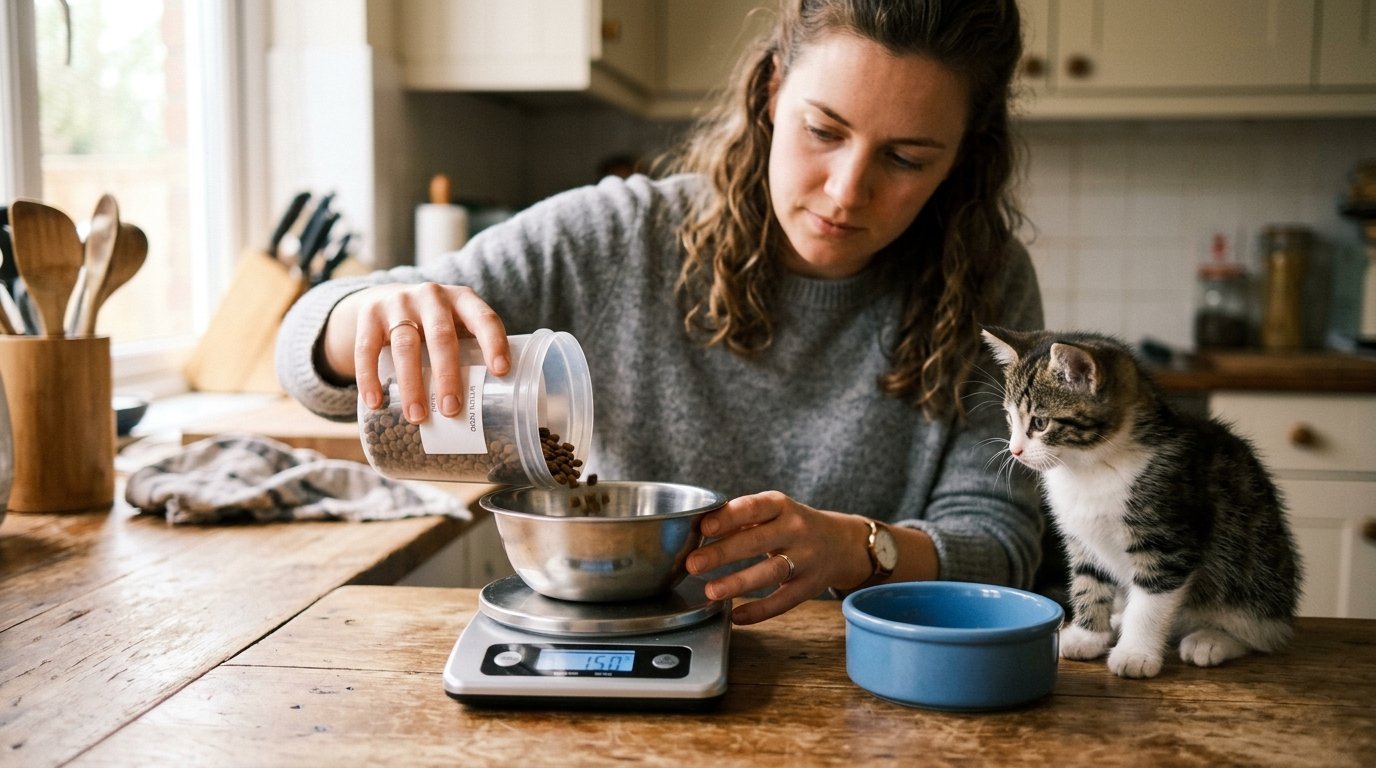
Keep a simple note of:
- The exact food and recipe.
- The amount offered each day.
- How much is actually eaten.
- Any change in appetite or digestive comfort.
- Weight measurements recommended by your veterinarian.
These notes are more useful at a checkup than trying to remember what happened over the previous few weeks.
Always provide fresh drinking water.
6. Make Food Changes Gradually
Before changing food, ask what your kitten is currently eating.
Cornell recommends continuing some of the existing food while gradually introducing the new diet. Ask your veterinary team about the pace if your kitten has digestive problems or a medical condition.
Write down the full product name rather than just the brand. Brands often sell multiple recipes for different life stages.
If your kitten refuses food or becomes unwell, seek veterinary advice instead of repeatedly switching products and hoping one will fix the problem.
7. Include Food Safety in Your Decision
Food safety belongs on the checklist alongside nutrition and price when evaluating the best kitten food.
The FDA warns that raw pet food can carry harmful bacteria, creating risks for pets and people handling it. Raw food is not the default recommendation in this guide.
For everyday handling:
- Wash your hands before and after handling pet food.
- Clean feeding utensils and bowls.
- Follow the package instructions for opened food.
- Refrigerate or discard unused canned food promptly as directed.
- Keep the product and batch information available.
The FDA’s pet-food handling guidance provides more detail on storage and hygiene.
A Quick Best Kitten Food Shopping Checklist
Before you put a product in your cart, check:
- Suitable nutritional statement for kitten growth.
- Complete food rather than a supplemental topper.
- Clear calorie and feeding information.
- Manufacturer contact details.
- Storage instructions you can follow.
- A realistic cost based on daily use.
- Suitability for any needs discussed with your veterinarian.
You do not need the most impressive-looking package. You need enough reliable information to make a considered choice.
Questions to Bring to Your Kitten’s First Food Checkup
Take a photo of the food label and ask:
“Is this food suitable for my kitten’s current growth stage?”
“How much should I offer across the day?”
“How should I divide portions if I use wet and dry food?”
“What changes in appetite, weight, or digestion should prompt a call?”
A clear answer to those questions can make shopping and feeding much less confusing.
Frequently Asked Questions
Is wet food the best kitten food?
Wet food provides more moisture, but moisture is only one consideration. Check nutritional adequacy, growth suitability, and your kitten’s individual needs before choosing.
Can kittens eat adult cat food?
Adult-maintenance food should not be your default main diet for a growing kitten. Choose a food with a nutritional adequacy statement covering growth, and ask your veterinarian if you are unsure about a particular product.
Is expensive kitten food always better?
Price alone does not establish whether a food is appropriate. Compare life-stage suitability, nutritional information, manufacturer answers, and the actual cost of feeding it.
Can I feed wet and dry food together?
Discuss a combined feeding plan with your veterinarian. Check that both foods are appropriate and count their contributions together when planning portions.
Should I add vitamin supplements?
Cornell notes that supplements are generally unnecessary with a complete and balanced diet and that excessive supplementation can be harmful. Use supplements only when your veterinarian recommends them for your kitten.
Start With the Label, Then Build a Routine
Choosing the best kitten food becomes easier when you start with the growth-stage statement, check the manufacturer’s information, and plan portions thoughtfully.
Keep the packaging details, monitor how feeding is going, and bring questions to your veterinary team. A practical routine is easier to maintain when you understand why you chose the food in the first place.
Sources and Further Reading
- AAFCO — Selecting the Right Pet Food
- Cornell — Feeding Your Cat
- Cornell — Choosing and Caring for Your New Cat
- WSAVA — Nutrition Guidelines
- Cats Protection — Bringing a New Kitten Home
- FDA — Raw Pet Food Risks
- FDA — Safe Handling of Pet Food
Read next
This article provides general feeding information for weaned kittens. Your veterinarian can advise on your kitten’s individual nutritional and medical needs.
document.querySelectorAll(‘a.curiopatch-lightbox’).forEach(link => { link.addEventListener(‘click’, function(e) { e.preventDefault(); const imgUrl = this.getAttribute(‘href’); const caption = this.getAttribute(‘data-caption’) || ‘CurioPatch.site’; document.getElementById(‘curiopatch-lightbox-img’).src = imgUrl; document.getElementById(‘curiopatch-lightbox-caption’).innerText = caption; document.getElementById(‘curiopatch-lightbox-overlay’).style.display = ‘flex’; }); }); function closeLightbox() { document.getElementById(‘curiopatch-lightbox-overlay’).style.display = ‘none’; } document.getElementById(‘curiopatch-lightbox-overlay’).addEventListener(‘click’, function(e) { if(e.target !== document.getElementById(‘curiopatch-lightbox-img’)) closeLightbox(); }); document.addEventListener(‘keydown’, function(e) { if(e.key === ‘Escape’) closeLightbox(); });