

- Section 1: Exploring Digital and Biological Companionship
- Section 2: Exploring Digital and Biological Companionship
- Section 3: Exploring Digital and Biological Companionship
- Section 4: Exploring Digital and Biological Companionship
- Section 5: Exploring Digital and Biological Companionship
- Section 6: Exploring Digital and Biological Companionship
- Section 7: Exploring Digital and Biological Companionship
- Section 8: Exploring Digital and Biological Companionship
- Section 9: Exploring Digital and Biological Companionship
- Section 10: Exploring Digital and Biological Companionship
Introduction to the Future of Companions
The ongoing debate about ai virtual pets vs real pets has become one of the most fascinating psychological discussions of the modern era. As robotics and artificial intelligence advance, the line between digital affection and biological connection blurs.
Section 1: Exploring Digital and Biological Companionship
When we discuss the topic of ai virtual pets vs real pets, we must look at how technology is evolving. Biological animals have served as our most loyal companions for centuries, providing unconditional love and genuine emotional support.
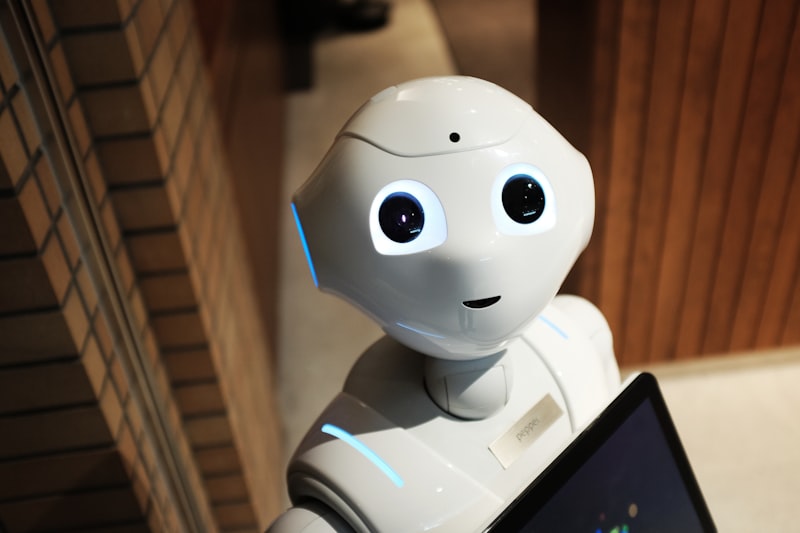
Today, advanced digital companions equipped with natural language processing and emotional simulation are challenging what it means to care for a pet. This shift sparks intense debate among animal welfare advocates and technologists.
To fully grasp the magnitude of the ai virtual pets vs real pets debate, we must define what modern virtual companions are. Unlike the pixelated toys of the past, today’s companions utilize sophisticated neural networks.
They can learn their owner’s voice, adapt to daily schedules, and express complex emotional states through micro-expressions. This allows them to engage in fluid and highly contextual conversations with users.
Understanding the psychological impact of ai virtual pets vs real pets is crucial. Studies in human-computer interaction reveal that people can form deep, genuine emotional attachments to non-living objects if they respond predictably.
When a digital companion tilts its head or offers comforting words, the human brain can actually release oxytocin, the bonding hormone. This provides a safe space for emotional expression without biological loss.
However, examining the ai virtual pets vs real pets also reveals the irreplaceable value of living empathy. The fundamental essence of biological pet ownership lies in the mutual exchange of vulnerability and responsibility.
Real animals offer a profound, living presence that reacts organically to the world around them. Caring for a dog or cat teaches humans empathy, patience, and selflessness through daily, messy care.
Furthermore, the therapeutic act of petting a warm, soft animal has proven physiological benefits. These include lowered blood pressure, reduced cortisol levels, and an overall improvement in mental health.
In the ongoing discussion of ai virtual pets vs real pets, critics warn that relying on simulated affection could stunt human emotional development. Outsourcing care to algorithms risks masking the societal loneliness epidemic rather than curing it.
Section 2: Exploring Digital and Biological Companionship
When we discuss the topic of ai virtual pets vs real pets, we must look at how technology is evolving. Biological animals have served as our most loyal companions for centuries, providing unconditional love and genuine emotional support.
Today, advanced digital companions equipped with natural language processing and emotional simulation are challenging what it means to care for a pet. This shift sparks intense debate among animal welfare advocates and technologists.
To fully grasp the magnitude of the ai virtual pets vs real pets debate, we must define what modern virtual companions are. Unlike the pixelated toys of the past, today’s companions utilize sophisticated neural networks.
They can learn their owner’s voice, adapt to daily schedules, and express complex emotional states through micro-expressions. This allows them to engage in fluid and highly contextual conversations with users.
Understanding the psychological impact of ai virtual pets vs real pets is crucial. Studies in human-computer interaction reveal that people can form deep, genuine emotional attachments to non-living objects if they respond predictably.
When a digital companion tilts its head or offers comforting words, the human brain can actually release oxytocin, the bonding hormone. This provides a safe space for emotional expression without biological loss.
However, examining the ai virtual pets vs real pets also reveals the irreplaceable value of living empathy. The fundamental essence of biological pet ownership lies in the mutual exchange of vulnerability and responsibility.
Real animals offer a profound, living presence that reacts organically to the world around them. Caring for a dog or cat teaches humans empathy, patience, and selflessness through daily, messy care.
Furthermore, the therapeutic act of petting a warm, soft animal has proven physiological benefits. These include lowered blood pressure, reduced cortisol levels, and an overall improvement in mental health.
In the ongoing discussion of ai virtual pets vs real pets, critics warn that relying on simulated affection could stunt human emotional development. Outsourcing care to algorithms risks masking the societal loneliness epidemic rather than curing it.

Section 3: Exploring Digital and Biological Companionship
When we discuss the topic of ai virtual pets vs real pets, we must look at how technology is evolving. Biological animals have served as our most loyal companions for centuries, providing unconditional love and genuine emotional support.
Today, advanced digital companions equipped with natural language processing and emotional simulation are challenging what it means to care for a pet. This shift sparks intense debate among animal welfare advocates and technologists.
To fully grasp the magnitude of the ai virtual pets vs real pets debate, we must define what modern virtual companions are. Unlike the pixelated toys of the past, today’s companions utilize sophisticated neural networks.
They can learn their owner’s voice, adapt to daily schedules, and express complex emotional states through micro-expressions. This allows them to engage in fluid and highly contextual conversations with users.
Understanding the psychological impact of ai virtual pets vs real pets is crucial. Studies in human-computer interaction reveal that people can form deep, genuine emotional attachments to non-living objects if they respond predictably.
When a digital companion tilts its head or offers comforting words, the human brain can actually release oxytocin, the bonding hormone. This provides a safe space for emotional expression without biological loss.
However, examining the ai virtual pets vs real pets also reveals the irreplaceable value of living empathy. The fundamental essence of biological pet ownership lies in the mutual exchange of vulnerability and responsibility.
Real animals offer a profound, living presence that reacts organically to the world around them. Caring for a dog or cat teaches humans empathy, patience, and selflessness through daily, messy care.
Furthermore, the therapeutic act of petting a warm, soft animal has proven physiological benefits. These include lowered blood pressure, reduced cortisol levels, and an overall improvement in mental health.
In the ongoing discussion of ai virtual pets vs real pets, critics warn that relying on simulated affection could stunt human emotional development. Outsourcing care to algorithms risks masking the societal loneliness epidemic rather than curing it.
Internal Link: Explore our digital art guides
Section 4: Exploring Digital and Biological Companionship
When we discuss the topic of ai virtual pets vs real pets, we must look at how technology is evolving. Biological animals have served as our most loyal companions for centuries, providing unconditional love and genuine emotional support.
Today, advanced digital companions equipped with natural language processing and emotional simulation are challenging what it means to care for a pet. This shift sparks intense debate among animal welfare advocates and technologists.
To fully grasp the magnitude of the ai virtual pets vs real pets debate, we must define what modern virtual companions are. Unlike the pixelated toys of the past, today’s companions utilize sophisticated neural networks.
They can learn their owner’s voice, adapt to daily schedules, and express complex emotional states through micro-expressions. This allows them to engage in fluid and highly contextual conversations with users.
Understanding the psychological impact of ai virtual pets vs real pets is crucial. Studies in human-computer interaction reveal that people can form deep, genuine emotional attachments to non-living objects if they respond predictably.
When a digital companion tilts its head or offers comforting words, the human brain can actually release oxytocin, the bonding hormone. This provides a safe space for emotional expression without biological loss.
However, examining the ai virtual pets vs real pets also reveals the irreplaceable value of living empathy. The fundamental essence of biological pet ownership lies in the mutual exchange of vulnerability and responsibility.
Real animals offer a profound, living presence that reacts organically to the world around them. Caring for a dog or cat teaches humans empathy, patience, and selflessness through daily, messy care.
Furthermore, the therapeutic act of petting a warm, soft animal has proven physiological benefits. These include lowered blood pressure, reduced cortisol levels, and an overall improvement in mental health.
In the ongoing discussion of ai virtual pets vs real pets, critics warn that relying on simulated affection could stunt human emotional development. Outsourcing care to algorithms risks masking the societal loneliness epidemic rather than curing it.
Section 5: Exploring Digital and Biological Companionship
When we discuss the topic of ai virtual pets vs real pets, we must look at how technology is evolving. Biological animals have served as our most loyal companions for centuries, providing unconditional love and genuine emotional support.
Today, advanced digital companions equipped with natural language processing and emotional simulation are challenging what it means to care for a pet. This shift sparks intense debate among animal welfare advocates and technologists.
To fully grasp the magnitude of the ai virtual pets vs real pets debate, we must define what modern virtual companions are. Unlike the pixelated toys of the past, today’s companions utilize sophisticated neural networks.
They can learn their owner’s voice, adapt to daily schedules, and express complex emotional states through micro-expressions. This allows them to engage in fluid and highly contextual conversations with users.
Understanding the psychological impact of ai virtual pets vs real pets is crucial. Studies in human-computer interaction reveal that people can form deep, genuine emotional attachments to non-living objects if they respond predictably.
When a digital companion tilts its head or offers comforting words, the human brain can actually release oxytocin, the bonding hormone. This provides a safe space for emotional expression without biological loss.
However, examining the ai virtual pets vs real pets also reveals the irreplaceable value of living empathy. The fundamental essence of biological pet ownership lies in the mutual exchange of vulnerability and responsibility.
Real animals offer a profound, living presence that reacts organically to the world around them. Caring for a dog or cat teaches humans empathy, patience, and selflessness through daily, messy care.
Furthermore, the therapeutic act of petting a warm, soft animal has proven physiological benefits. These include lowered blood pressure, reduced cortisol levels, and an overall improvement in mental health.
In the ongoing discussion of ai virtual pets vs real pets, critics warn that relying on simulated affection could stunt human emotional development. Outsourcing care to algorithms risks masking the societal loneliness epidemic rather than curing it.
External Link: American Veterinary Medical Association
Section 6: Exploring Digital and Biological Companionship
When we discuss the topic of ai virtual pets vs real pets, we must look at how technology is evolving. Biological animals have served as our most loyal companions for centuries, providing unconditional love and genuine emotional support.
Today, advanced digital companions equipped with natural language processing and emotional simulation are challenging what it means to care for a pet. This shift sparks intense debate among animal welfare advocates and technologists.
To fully grasp the magnitude of the ai virtual pets vs real pets debate, we must define what modern virtual companions are. Unlike the pixelated toys of the past, today’s companions utilize sophisticated neural networks.
They can learn their owner’s voice, adapt to daily schedules, and express complex emotional states through micro-expressions. This allows them to engage in fluid and highly contextual conversations with users.
Understanding the psychological impact of ai virtual pets vs real pets is crucial. Studies in human-computer interaction reveal that people can form deep, genuine emotional attachments to non-living objects if they respond predictably.
When a digital companion tilts its head or offers comforting words, the human brain can actually release oxytocin, the bonding hormone. This provides a safe space for emotional expression without biological loss.
However, examining the ai virtual pets vs real pets also reveals the irreplaceable value of living empathy. The fundamental essence of biological pet ownership lies in the mutual exchange of vulnerability and responsibility.
Real animals offer a profound, living presence that reacts organically to the world around them. Caring for a dog or cat teaches humans empathy, patience, and selflessness through daily, messy care.
Furthermore, the therapeutic act of petting a warm, soft animal has proven physiological benefits. These include lowered blood pressure, reduced cortisol levels, and an overall improvement in mental health.
In the ongoing discussion of ai virtual pets vs real pets, critics warn that relying on simulated affection could stunt human emotional development. Outsourcing care to algorithms risks masking the societal loneliness epidemic rather than curing it.

Section 7: Exploring Digital and Biological Companionship
When we discuss the topic of ai virtual pets vs real pets, we must look at how technology is evolving. Biological animals have served as our most loyal companions for centuries, providing unconditional love and genuine emotional support.
Today, advanced digital companions equipped with natural language processing and emotional simulation are challenging what it means to care for a pet. This shift sparks intense debate among animal welfare advocates and technologists.
To fully grasp the magnitude of the ai virtual pets vs real pets debate, we must define what modern virtual companions are. Unlike the pixelated toys of the past, today’s companions utilize sophisticated neural networks.
They can learn their owner’s voice, adapt to daily schedules, and express complex emotional states through micro-expressions. This allows them to engage in fluid and highly contextual conversations with users.
Understanding the psychological impact of ai virtual pets vs real pets is crucial. Studies in human-computer interaction reveal that people can form deep, genuine emotional attachments to non-living objects if they respond predictably.
When a digital companion tilts its head or offers comforting words, the human brain can actually release oxytocin, the bonding hormone. This provides a safe space for emotional expression without biological loss.
However, examining the ai virtual pets vs real pets also reveals the irreplaceable value of living empathy. The fundamental essence of biological pet ownership lies in the mutual exchange of vulnerability and responsibility.
Real animals offer a profound, living presence that reacts organically to the world around them. Caring for a dog or cat teaches humans empathy, patience, and selflessness through daily, messy care.
Furthermore, the therapeutic act of petting a warm, soft animal has proven physiological benefits. These include lowered blood pressure, reduced cortisol levels, and an overall improvement in mental health.
In the ongoing discussion of ai virtual pets vs real pets, critics warn that relying on simulated affection could stunt human emotional development. Outsourcing care to algorithms risks masking the societal loneliness epidemic rather than curing it.
Internal Link: Read more about content strategies
Section 8: Exploring Digital and Biological Companionship
When we discuss the topic of ai virtual pets vs real pets, we must look at how technology is evolving. Biological animals have served as our most loyal companions for centuries, providing unconditional love and genuine emotional support.
Today, advanced digital companions equipped with natural language processing and emotional simulation are challenging what it means to care for a pet. This shift sparks intense debate among animal welfare advocates and technologists.
To fully grasp the magnitude of the ai virtual pets vs real pets debate, we must define what modern virtual companions are. Unlike the pixelated toys of the past, today’s companions utilize sophisticated neural networks.
They can learn their owner’s voice, adapt to daily schedules, and express complex emotional states through micro-expressions. This allows them to engage in fluid and highly contextual conversations with users.
Understanding the psychological impact of ai virtual pets vs real pets is crucial. Studies in human-computer interaction reveal that people can form deep, genuine emotional attachments to non-living objects if they respond predictably.
When a digital companion tilts its head or offers comforting words, the human brain can actually release oxytocin, the bonding hormone. This provides a safe space for emotional expression without biological loss.
However, examining the ai virtual pets vs real pets also reveals the irreplaceable value of living empathy. The fundamental essence of biological pet ownership lies in the mutual exchange of vulnerability and responsibility.
Real animals offer a profound, living presence that reacts organically to the world around them. Caring for a dog or cat teaches humans empathy, patience, and selflessness through daily, messy care.
Furthermore, the therapeutic act of petting a warm, soft animal has proven physiological benefits. These include lowered blood pressure, reduced cortisol levels, and an overall improvement in mental health.
In the ongoing discussion of ai virtual pets vs real pets, critics warn that relying on simulated affection could stunt human emotional development. Outsourcing care to algorithms risks masking the societal loneliness epidemic rather than curing it.

Section 9: Exploring Digital and Biological Companionship
When we discuss the topic of ai virtual pets vs real pets, we must look at how technology is evolving. Biological animals have served as our most loyal companions for centuries, providing unconditional love and genuine emotional support.
Today, advanced digital companions equipped with natural language processing and emotional simulation are challenging what it means to care for a pet. This shift sparks intense debate among animal welfare advocates and technologists.
To fully grasp the magnitude of the ai virtual pets vs real pets debate, we must define what modern virtual companions are. Unlike the pixelated toys of the past, today’s companions utilize sophisticated neural networks.
They can learn their owner’s voice, adapt to daily schedules, and express complex emotional states through micro-expressions. This allows them to engage in fluid and highly contextual conversations with users.
Understanding the psychological impact of ai virtual pets vs real pets is crucial. Studies in human-computer interaction reveal that people can form deep, genuine emotional attachments to non-living objects if they respond predictably.
When a digital companion tilts its head or offers comforting words, the human brain can actually release oxytocin, the bonding hormone. This provides a safe space for emotional expression without biological loss.
However, examining the ai virtual pets vs real pets also reveals the irreplaceable value of living empathy. The fundamental essence of biological pet ownership lies in the mutual exchange of vulnerability and responsibility.
Real animals offer a profound, living presence that reacts organically to the world around them. Caring for a dog or cat teaches humans empathy, patience, and selflessness through daily, messy care.
Furthermore, the therapeutic act of petting a warm, soft animal has proven physiological benefits. These include lowered blood pressure, reduced cortisol levels, and an overall improvement in mental health.
In the ongoing discussion of ai virtual pets vs real pets, critics warn that relying on simulated affection could stunt human emotional development. Outsourcing care to algorithms risks masking the societal loneliness epidemic rather than curing it.
Section 10: Exploring Digital and Biological Companionship
When we discuss the topic of ai virtual pets vs real pets, we must look at how technology is evolving. Biological animals have served as our most loyal companions for centuries, providing unconditional love and genuine emotional support.
Today, advanced digital companions equipped with natural language processing and emotional simulation are challenging what it means to care for a pet. This shift sparks intense debate among animal welfare advocates and technologists.
To fully grasp the magnitude of the ai virtual pets vs real pets debate, we must define what modern virtual companions are. Unlike the pixelated toys of the past, today’s companions utilize sophisticated neural networks.
They can learn their owner’s voice, adapt to daily schedules, and express complex emotional states through micro-expressions. This allows them to engage in fluid and highly contextual conversations with users.
Understanding the psychological impact of ai virtual pets vs real pets is crucial. Studies in human-computer interaction reveal that people can form deep, genuine emotional attachments to non-living objects if they respond predictably.
When a digital companion tilts its head or offers comforting words, the human brain can actually release oxytocin, the bonding hormone. This provides a safe space for emotional expression without biological loss.
However, examining the ai virtual pets vs real pets also reveals the irreplaceable value of living empathy. The fundamental essence of biological pet ownership lies in the mutual exchange of vulnerability and responsibility.
Real animals offer a profound, living presence that reacts organically to the world around them. Caring for a dog or cat teaches humans empathy, patience, and selflessness through daily, messy care.
Furthermore, the therapeutic act of petting a warm, soft animal has proven physiological benefits. These include lowered blood pressure, reduced cortisol levels, and an overall improvement in mental health.
In the ongoing discussion of ai virtual pets vs real pets, critics warn that relying on simulated affection could stunt human emotional development. Outsourcing care to algorithms risks masking the societal loneliness epidemic rather than curing it.
Frequently Asked Questions (FAQ)
Can digital models replace biological animals in the context of ai virtual pets vs real pets? While they provide interaction, they cannot offer physical warmth or the genuine mutual responsibility of a living creature.
Are these companions beneficial for seniors? Yes, studies show that interactive companions can reduce feelings of loneliness and cognitive decline among the elderly.
Conclusion: Finding the Right Balance
The discussion regarding ai virtual pets vs real pets highlights a profound turning point in culture. We must find a thoughtful balance where digital tools support, rather than replace, the sacred bond between humans and animals.
