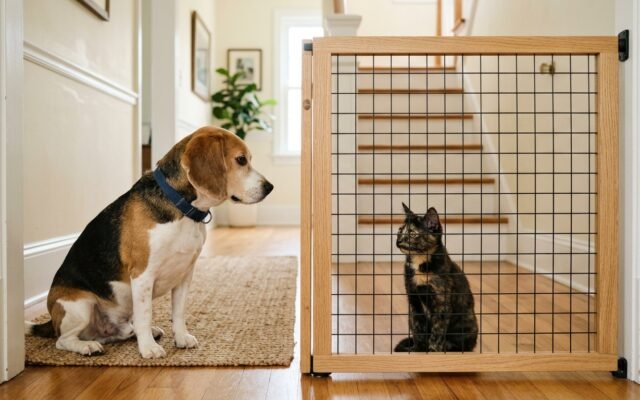
Dogs are extraordinary communicators, but their primary language is physical, micro-expressive, and remarkably quiet. Long before a dog barks, growls, or snaps, they communicate discomfort through dozens of nuanced physical shifts.
Understanding these quiet cues is the foundation of respectful pet guardianship. When we miss early warning signs, dogs feel unheard and are forced to elevate their signaling to more dramatic behaviors that humans often mischaracterize as “unpredictable aggression.”
The Canine Ladder of Communication
Veterinary behaviorists frequently refer to the “ladder of aggression,” a conceptual framework demonstrating how dogs express rising stress. At the bottom of the ladder are mild appeasement and displacement gestures; at the top are vocalizations, snapping, and biting.
Here are the crucial subtle signals every guardian should recognize:
1. Displacement Yawning and Lip Licking
When a dog yawns right after an unfamiliar child approaches, or rapidly flicks their tongue over their nose while sitting in a busy outdoor cafe, they are not sleepy or hungry. These are known as displacement behaviors—actions performed out of context to regulate nervous system arousal.
2. The “Whale Eye” (Half-Moon Sclera)
When a dog turns their head slightly away while keeping their gaze fixed on a perceived threat, the white crescent of their eye (sclera) becomes visible. This posture signals apprehension and a feeling of being cornered. If you see whale eye, immediately give the dog space.
3. Micro-Freezes and Postural Rigidity
A relaxed dog is curvy, loose, and displays soft, fluid body movements. A stressed dog suddenly becomes linear and still. This momentary stillness—often lasting only one or two seconds—is a dog actively assessing whether a situation is safe or threatening. Never ignore a freeze.
How to Respond to Early Discomfort
When you notice your companion exhibiting early stress gestures, the goal is never correction or reprimand. A reprimand merely punishes the dog’s attempt to communicate, which can create a dog that suppresses warnings and bites without prelude.
- Increase Distance: Step 10 to 15 feet away from the trigger. Distance is the most effective stress reducer in canine behavior.
- Engage the Sense of Smell: Sniffing lowers heart rate and activates the parasympathetic nervous system. Scatter high-value treats on the grass to encourage a “find it” search.
- Advocate for Your Pet: Politely tell well-meaning strangers, “We are in training today, so we need space.” Your dog depends on you to set physical boundaries.
By learning to listen when your dog whispers, you will rarely find yourself in situations where they feel forced to shout.